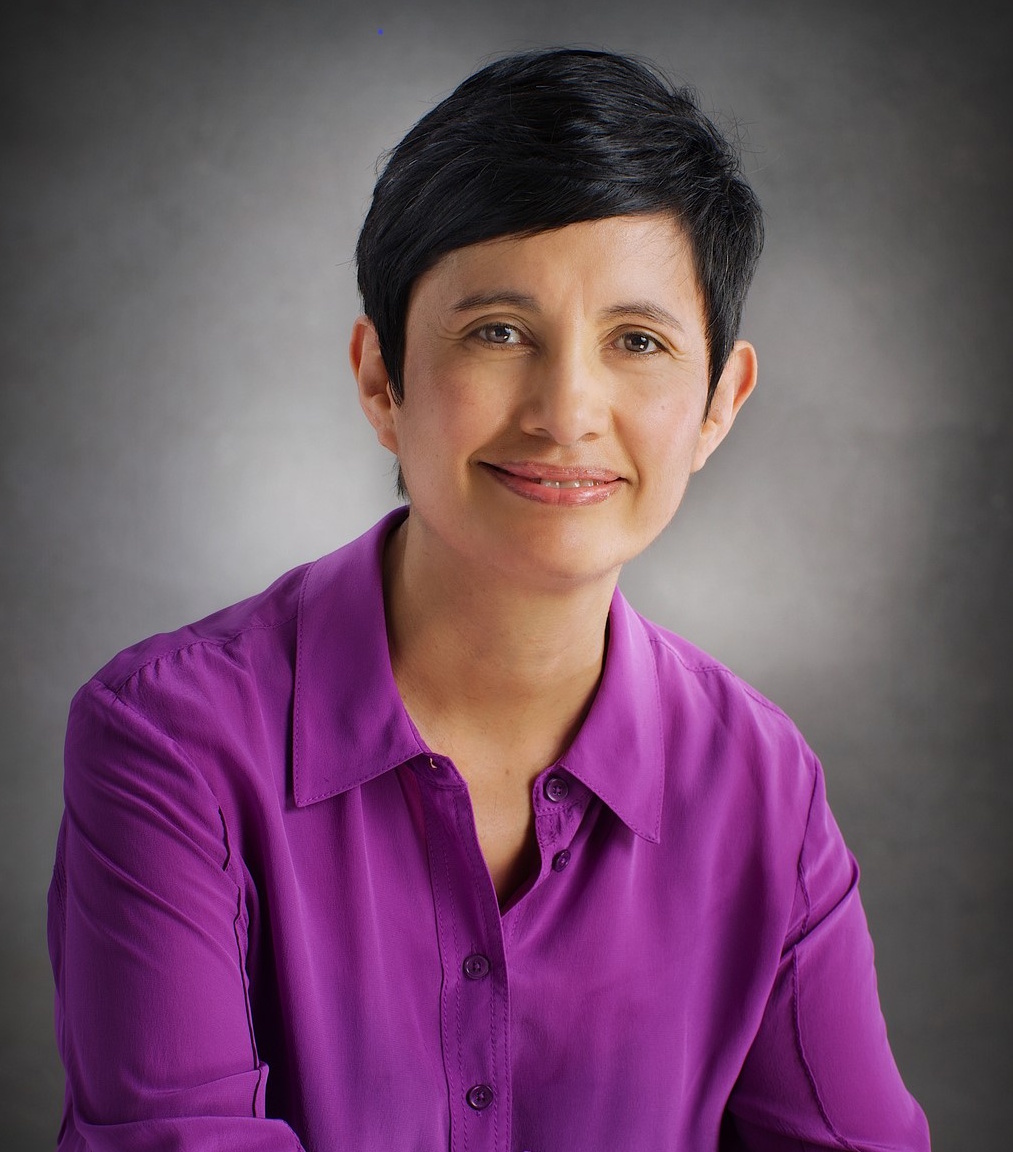
Director of Brighton & Sussex Clinical Trials Unit (BSCTU), I am Professor of Medical Statistics and Clinical Trials at Brighton and Sussex Medical School. My research
develops statistical methodology for complex longitudinal and real-world healthcare data to generate robust evidence for clinical
practice and health policy. This includes the design and analysis of clinical trials, observational cohort studies, and registry-based research across renal medicine,
oncology, multimorbidity, and health services research. My methodological work focuses on graphical and multistate modelling to characterise treatment pathways and
outcome trajectories in complex healthcare settings.
At a Glance
- Director of Brighton & Sussex Clinical Trials Unit, a UKCRC-registered unit delivering investigator-led, multi-centre clinical trials
- Expert member of national NIHR funding and commissioning committees
- Over £30 million in externally funded research as Principal Investigator or Co-Investigator
- Research published in leading clinical and health journals
- Expertise in graphical modelling, multistate modelling, and complex clinical trial design and analysis
About Me
About Me
I work with clinicians, researchers and health organisations to design and analyse clinical studies that are methodologically robust and clinically meaningful. Across areas
including kidney disease, cancer care, mental health and health services research, I focus on ensuring that statistical design and analysis appropriately reflect clinical reality.
I support multidisciplinary teams to develop high-quality studies and strengthen methodological capacity so that evidence can reliably inform health outcomes and decision-making.
I also mentor clinicians, health professionals and methodologists in study design and applied statistical methodology for clinical research.
My Story
My Story
I grew up in Mexico with a strong interest in mathematics and an early curiosity about medicine. During my master’s studies at the Centre for Research in Mathematics, I was taught by Professor David A. Sprott, whose influence shaped my understanding of statistical foundations and scientific reasoning. A scholarship then brought me to the United Kingdom, where I completed a PhD in Statistics at the University of Cambridge under the supervision of Professor Vern Farewell.
An MRC Career Development Fellowship later allowed me to develop my expertise in graphical modelling and its applications to clinical and population health research. These experiences shaped the collaborative, multidisciplinary approach that continues to guide my work.
Research & Leadership
Research and Leadership
My research focuses on developing statistical methods for clinical and population health research, with particular expertise in graphical and multistate approaches for understanding complex care pathways and improving how findings are interpreted and used in practice. I work across areas such as health services research, psycho-oncology, renal medicine and global mental health.
Clinical and Policy Impact
My applied research has contributed to improved understanding of variation, outcomes and care pathways across several clinical areas:
- Renal medicine: Methodological work using UK Renal Registry data has characterised transitions between kidney replacement therapy modalities and mortality, identifying how patient and service-level factors shape access to home dialysis.
- Heart failure: Registry-based analyses have identified key comorbidity patterns influencing outcomes and quality of life, informing subsequent clinical and policy discussions on multimorbidity care.
- Psycho-oncology: Randomised trials of communication and training interventions have evaluated strategies to improve patient–clinician understanding and communication in cancer care, with international uptake in related practice contexts.
- Global health: Contributions to WHO’s Global Scales for Early Development have supported robust measurement frameworks for early childhood development across international settings.
Leadership Roles
As Director of the Brighton & Sussex Clinical Trials Unit, I provide strategic and methodological leadership for a multidisciplinary team delivering multi-centre clinical trials across diverse clinical areas. I collaborate with the NIHR Research Support Service Hub delivered by the University of Birmingham and Partners to strengthen methodological support for researchers across England.
I also serve on NIHR funding committees and Trial Steering and Data Monitoring Committees, providing independent methodological oversight and contributing to the development of the UK clinical research evidence base.
My Statistical Approach
My Statistical Approach
My work focuses on aligning statistical models with the underlying processes that generate clinical and healthcare data, with particular emphasis on longitudinal structure, treatment pathways and real-world complexity.
This includes graphical and multistate modelling, alongside the design and analysis of clinical trials and observational studies, to support robust inference in complex healthcare settings.
Why This Work Matters
Why This Work Matters
High-quality evidence underpins progress in healthcare. When studies are designed and analysed well, they can improve diagnosis, treatment choices, service organisation and long-term health outcomes.
For example, in kidney care, understanding how patient characteristics and service organisation influence transitions between dialysis treatments helps services design fairer pathways so that more patients can access therapies that support independence and quality of life.
My work aims to ensure that research produces findings that clinicians, policymakers and health services can trust and apply, leading to better decisions and better health for patients and communities.
Selected Publications
Selected Publications
Kidney replacement therapy and health disparities
Potts, J. et al. (2026).
Health disparities in transitions between kidney replacement therapy modalities and mortality in England: A multistate model using UK Renal Registry data.
PLOS Medicine 23(2), e1004674.
https://doi.org/10.1371/journal.pmed.1004674
Home dialysis uptake and centre practices
Potts, J. et al. (2025).
Patient and center factors in home dialysis therapy uptake.
American Journal of Kidney Diseases 87, 53-64.e1.
https://doi.org/10.1053/j.ajkd.2025.08.012
Communication of GEP test results in oncology
Fallowfield, L. et al. (2025).
Improving patient understanding of GEP test results (IMPARTER4): an RCT.
BMJ Oncology, 4(1), e000689.
https://doi.org/10.1136/BMJONC-2024-0006
Communication training for BRCA testing
Fallowfield, L. et al. (2022).
TRUSTING: Educational programme for healthcare professionals about BRCA1 and BRCA2 testing.
British Journal of Cancer, 127, 1116–1122.
https://doi.org/10.1038/s41416-022-01871-x
Comorbidity pathways in heart failure
Lawson, C. A. et al. (2018).
Comorbidity health pathways in heart failure patients.
PLOS Medicine, 15(3), e1002540.
https://doi.org/10.1371/journal.pmed.1002540
Profiles
Profiles